How Window Drainage Design Impacts Waterproof Performance and Long-Term Durability
Time:Reading Volume:908
Many homeowners judge windows by frame thickness or glass type. But professionals know that over 70% of window performance depends on hardware quality. Hardware controls how smoothly a window opens, how tightly it seals, and how long it lasts.
In premium aluminum windows, hardware is the “hidden engine” that drives every function — strength, airtightness, safety, and user comfort.
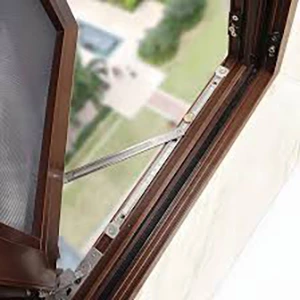
High-quality hinges directly affect:
Cheap hinges may sag after a few years, making the window difficult to close and reducing sealing performance.
What to look for:
For large casement windows, robust hinges are non-negotiable.
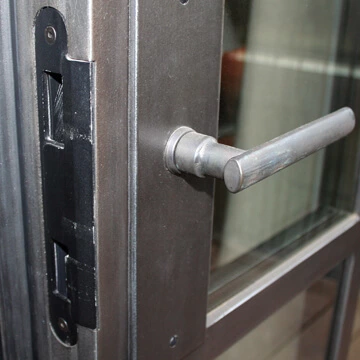
Modern aluminum windows typically include multi-point locking systems that tighten the sash against the frame at several points.
Benefits include:
A good locking system prevents drafts and helps maintain indoor temperature more effectively.
For sliding units, rollers are the key to long-term smoothness.
High-quality rollers offer:
Inferior rollers become noisy, bumpy, or jammed — one of the most common failures in low-end sliding windows.
Ideal materials:
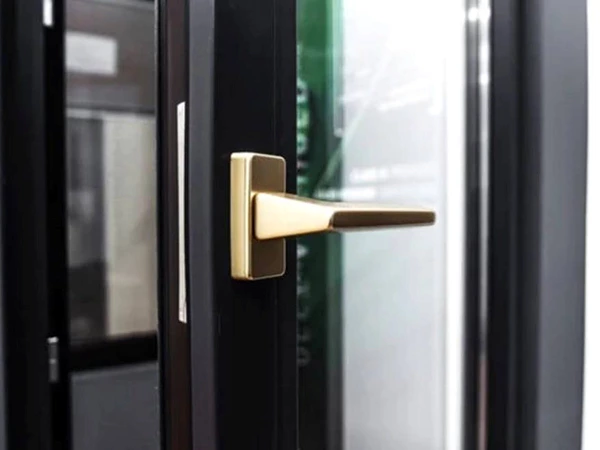
A poorly designed handle affects:
Premium handles use:
In coastal or humid areas, better handle materials significantly extend lifespan.
Many people think sealing strips determine waterproofness — but hardware pressure directly influences how well seals work.
Better hardware means:
When paired with EPDM sealing strips, premium hardware provides excellent performance even in harsh weather.
Hardware failures are the #1 reason windows are replaced early.
Choosing higher-quality components can reduce:
A window with strong hardware can easily last 15–25 years.
You don’t need technical tools — just check for:
Quality hardware has weight, smooth movement, and solid feedback.
Hardware may be one of the least visible parts of an aluminum window, but it determines most of the performance you actually experience:
Investing in high-quality hardware means investing in long-term comfort, safety, and value.
We use cookies to collect information about how you use this site. We use this information to make the website work as well as possible and improve our services.